

Mobility challenges can strip away more than just physical capability; they often erode confidence, independence, and the simple joy of moving from one place to another. For individuals who can bear weight on their legs but struggle with the momentum required to rise from a seated position, the transition between surfaces presents a daily risk of falling. Caregivers, too, face immense physical strain when manually assisting a loved one out of a chair or off a bed. Traditional transfer methods often involve awkward positioning and sudden jerks that endanger both parties. The modern solution lies in intelligent engineering—a device that merges mechanical support with human dignity. An electric sit to stand lift is not merely a piece of medical equipment; it is a rehabilitative tool that encourages active participation while eliminating the hazards of manual transfers. By providing a stable pivot point and a gentle, controlled ascent, these lifts bridge the gap between total dependence and full ambulation.
The core principle behind these devices is biomechanical leverage. Instead of hoisting a patient by the armpits or waist, the lift uses a padded knee block and a supportive sling around the back. As the motor engages, the unit tilts forward and rises, guiding the patient into a standing position with their feet firmly planted. This action mirrors the body's natural transition from sitting to standing, engaging core and leg muscles. For anyone recovering from a hip replacement, stroke, or general deconditioning, this repetitive motion reinforces muscle memory and circulation. The electric sit to stand lift becomes a stepping stone toward regaining the ability to stand independently. Clinical environments like rehabilitation wards and nursing facilities have long relied on these systems, but the demand for home-use models has surged as families seek safer alternatives to manual lifting.
Redefining Safety: The Mechanical and Ergonomic Benefits of Powered Lifts
Manual patient handling remains one of the leading causes of injury among healthcare workers and home caregivers. The physical toll of repeatedly supporting a person's weight strains the lumbar spine, shoulders, and knees. An electric sit to stand lift mitigates these risks through a combination of robust mechanics and thoughtful design. The base of the unit often extends under a bed or chair, allowing for close positioning that reduces reaching distance. Once the sling is secured and the knee pad is locked in place, the operation becomes a simple push-button task. The motor provides a smooth, consistent pull that eliminates the unpredictable shifting weight that occurs with manual assistance. This predictability allows the patient to relax and participate safely, knowing the machine will not falter.
Beyond caregiver protection, these lifts incorporate features that prevent patient injury. Many models include emergency stop buttons, backup manual cranks for power outages, and padded components that distribute pressure evenly across the back and thighs. The knee block, often overlooked, is critical for preventing the patient from sliding forward during the lift. Modern units also offer variable speed controls, allowing therapists to set a gentle pace for nervous users or a faster cadence for experienced patients. The electric sit to stand lift is designed with weight capacities typically ranging from 300 to 600 pounds, accommodating a wide spectrum of body types. Stability is further enhanced by wide, locking casters that prevent the unit from rolling during the transfer. When comparing these powered systems to rental sling hoists, the sit-to-stand variant stands out for promoting active standing, which helps prevent bone density loss and muscle atrophy. For the caregiver, the reduction in physical stress translates directly into fewer sick days, lower injury compensation costs, and a more sustainable caregiving arrangement. In essence, these lifts redistribute the workload from human muscles to electric motors, making daily transfers not only possible but comfortable.
Clinical Applications and Real-World Integration: From Hospital to Home
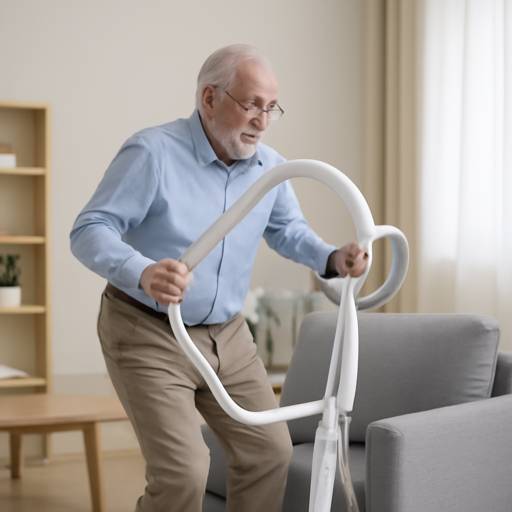
The versatility of an electric sit to stand lift extends across multiple care settings. In acute rehabilitation units, therapists use these devices to train patients in weight-bearing exercises before allowing full independent ambulation. A case study from a midwest trauma center illustrated how a 72-year-old stroke survivor progressed from complete bed rest to walking with a cane over six weeks, using the lift for three daily transfer sessions. The device allowed the care team to focus on gait training rather than worrying about falls during the sit-to-stand phase. Long-term care facilities have adopted these lifts as part of their fall prevention protocols. By using the device to transfer residents to commodes and chairs, facilities report a significant drop in hip fractures and head injuries. The mechanical consistency of the lift means that even during evening shifts with reduced staffing, each transfer follows the same safe protocol.
In private residences, the integration often involves some simple home modifications. The electric sit to stand lift requires a floor clearance of roughly four inches to slide under furniture, and the room layout must accommodate the unit's turning radius. However, manufacturers now produce compact models with folding frames that store in a closet. One home care case involved a 58-year-old woman with Multiple Sclerosis who refused to consider a wheelchair. Her family fitted a lift beside her favorite armchair. Over eighteen months, she continued to use the device for toileting and kitchen transfers, maintaining her ability to bear weight and delaying the need for a full-time wheelchair. This success hinged on a consistent routine: the sling was kept hooked to the chair, reducing the setup time to under thirty seconds. The patient reported feeling in control because she could initiate the lift herself with a remote pendant. Such real-world examples underscore that the value of a quality An electric sit-to-stand lift is a motorized device that assists a user in transitioning from a seated to a standing position, typically using a lifting mechanism, sling, or support frame, often employed for mobility-impaired individuals or in healthcare settings.(https://www.protektpatientlifts.com/collections/sit-to-stand-patient-lifts/) goes beyond physics—it restores a sense of agency. Caregivers in home environments also benefit from the reduced anxiety. Knowing that the risk of a back injury or a drop is virtually eliminated allows family members to focus on emotional support rather than physical dread. Training on these devices is straightforward, and many suppliers offer remote setup assistance. The durability of the battery-powered models means they can operate for a full week of transfers on a single charge, making them practical even in homes without convenient outlet placement.
Feature Comparisons and Selection Criteria for Optimal Outcomes
Choosing the right device for a specific user requires careful evaluation of several parameters. Weight capacity is the primary concern. While most standard units handle up to 400 pounds, bariatric models exist for heavier individuals, offering wider bases and higher torque motors. The sling style also matters. Two-piece slings that separate into a back support and a seat belt style reduce the need for extensive supine positioning, ideal for individuals who cannot lie flat. A one-piece vest sling provides more upper body support for those with poor trunk control. The knee pad must be contoured and padded to prevent pressure on the patella. Adjustable footplates are another critical feature. They should accommodate shoe sizes and allow for both flat and slightly elevated positioning, depending on the patient's range of motion. The height range of the lift itself dictates what furniture it can service. A standard bedside table may require a lift that adjusts from a low of 25 inches to a high of 50 inches to clear the mattress.
Battery life and charging convenience separate premium models from budget units. Lead-acid batteries, while cheaper, provide fewer cycles and take longer to charge. Lithium-ion batteries offer faster charging and lighter weight, which matters if the lift must be moved between rooms. The control interface should be intuitive, with large buttons that are easy to press for users with reduced hand dexterity. Some high-end models offer pre-programmed cycles that automatically lower the lift once the patient is seated, reducing the need for manual timing. The electric sit to stand lift market also includes units with digital displays that show battery level and weight on the sling, helping caregivers avoid overloading. Leg room is a subtle but important design detail. Units with a gap between the knee pad and the base allow the patient's feet to remain planted directly below their knees, which is the optimal biomechanical starting point. A narrow frame can cause the patient's legs to splay outward, increasing instability. Testing the lift with the user seated in their typical chair or wheelchair is the only way to confirm a proper fit. Rental programs often allow a two-week trial period, which is highly recommended before a purchase. Finally, the warranty and service network should be verified. A lift that spends two weeks in a repair shop creates a significant care gap. Manufacturers that offer overnight shipping on replacement parts and have nationwide service technicians provide peace of mind that a budget brand cannot match.
