

about : Upload
Drag and drop your PDF or image, or select it manually from your device via the dashboard. You can also connect to our API or document processing pipeline through Dropbox, Google Drive, Amazon S3, or Microsoft OneDrive.
Verify in Seconds
Our system instantly analyzes the document using advanced AI to detect fraud. It examines metadata, text structure, embedded signatures, and potential manipulation.
Get Results
Receive a detailed report on the document's authenticity—directly in the dashboard or via webhook. See exactly what was checked and why, with full transparency.
How to Detect Fake Invoices: Practical Steps Every Finance Team Should Use
Begin with the basics: confirm the sender’s identity by checking the email domain and the original message headers if available. Fraudsters often use lookalike addresses that differ by a single character; a quick domain lookup and a voice call to a known contact can reveal impersonation attempts. Next, verify invoice numbers, purchase order references, and dates against internal records. Duplicate invoice numbers, missing PO numbers, or recently created vendor records are common red flags indicating invoice fraud.
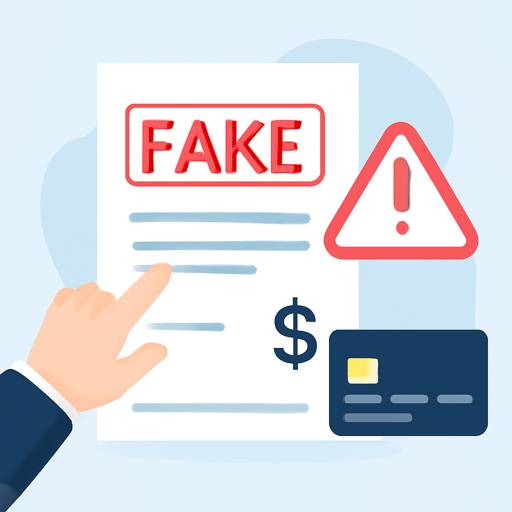
Inspect the payment instructions carefully. Many scams succeed by altering bank account details. Always confirm a change of banking information with a secondary channel such as a phone call to a previously verified number. Use verify bank details protocols: check account holder names against vendor records and require a confirmation email from a corporate domain. Examine the invoice layout for inconsistencies in fonts, logo quality, or alignment—subtle design differences can signal manipulated documents.
When the invoice arrives as a PDF, extract and review the metadata. Metadata can reveal the file creation date, author, and software used—data points that often conflict with claimed origins when an invoice is forged. Also run a text-structure analysis: inconsistent wording, odd line breaks, or mismatched VAT numbers can mean the visible content was copied and edited. Implement a two-step approval for payments over threshold amounts, and mandate that high-value transfers require direct verification with senior staff. Combining manual checks with automated validation reduces the risk of human error and helps catch common tactics like invoice redirection and duplicated billing.
Technology and Tools to Verify Invoice Authenticity
Advanced tools speed up fraud detection by combining OCR, metadata analysis, and anomaly detection powered by machine learning. OCR converts scanned or image-based invoices into searchable text, enabling automated comparisons of amounts, vendor names, and PO numbers against accounting systems. Metadata parsers examine embedded XMP and document properties to reveal hidden edits or inconsistencies. Digital signature verification checks cryptographic signatures where available, ensuring the document hasn’t been tampered with since signing. For automated validation, use a specialized service to detect fake invoice and analyze metadata, signatures, and text structure at scale.
APIs and webhooks enable seamless integration into accounts payable workflows, letting systems flag suspicious invoices in real time and push detailed reports directly to the dashboard or to downstream systems. Machine learning models trained on historical invoice data can surface abnormal patterns such as abrupt vendor address changes, unusual invoice frequencies, or amount anomalies compared to historical averages. Blockchain-based timestamping and immutable ledgers offer stronger provenance for high-risk suppliers by providing verifiable chains of custody for invoices and contracts.
Look for tools that provide transparent output: clear explanations of why a document was flagged, highlighted areas of concern, and an audit trail for every check performed. Systems that support bulk processing across Dropbox, Google Drive, Amazon S3, and OneDrive help scale review for organizations with decentralized document storage. Implement role-based access controls and logging so that every verification step can be traced, helping both prevention and post-incident investigation.
Real-World Examples and Case Studies of Invoice Fraud Detection
Case study: a mid-sized manufacturer detected an attempted bank diversion when the accounts payable team noticed a vendor’s sudden change of account details. The invoice looked legitimate visually, but metadata showed the file was created moments before the email was sent and used a consumer PDF editor rather than the vendor’s typical enterprise software. A quick phone call to the vendor’s verified number revealed the vendor’s systems had not issued any new invoices that day, avoiding a six-figure loss.
Another example involved double-billing: a supplier submitted two invoices for the same service with slightly different invoice dates and numbers. Automated matching flagged the duplicate line items and suspiciously similar invoice IDs, prompting a manual review that discovered an internal process gap exploited by a dishonest subcontractor. The company implemented stricter PO reconciliation and a single-source-of-truth policy for invoice numbers, reducing repeat issues.
In a tech-sector incident, AI-based anomaly detection identified a cluster of invoices with irregular VAT registration numbers and inconsistent address formats. The system’s report highlighted embedded signature mismatches and mismatched email domains, enabling legal and finance teams to block payments and notify authorities. These examples emphasize the importance of layered defenses: use of automated checks, human verification, and vendor communication protocols. Maintaining a record of investigations and remediation improves future detection rates and strengthens vendor onboarding processes against social engineering and document manipulation attempts.